Secondary Cavity Treatment Cost in Korea
Secondary Cavity Treatment Cost in Korea
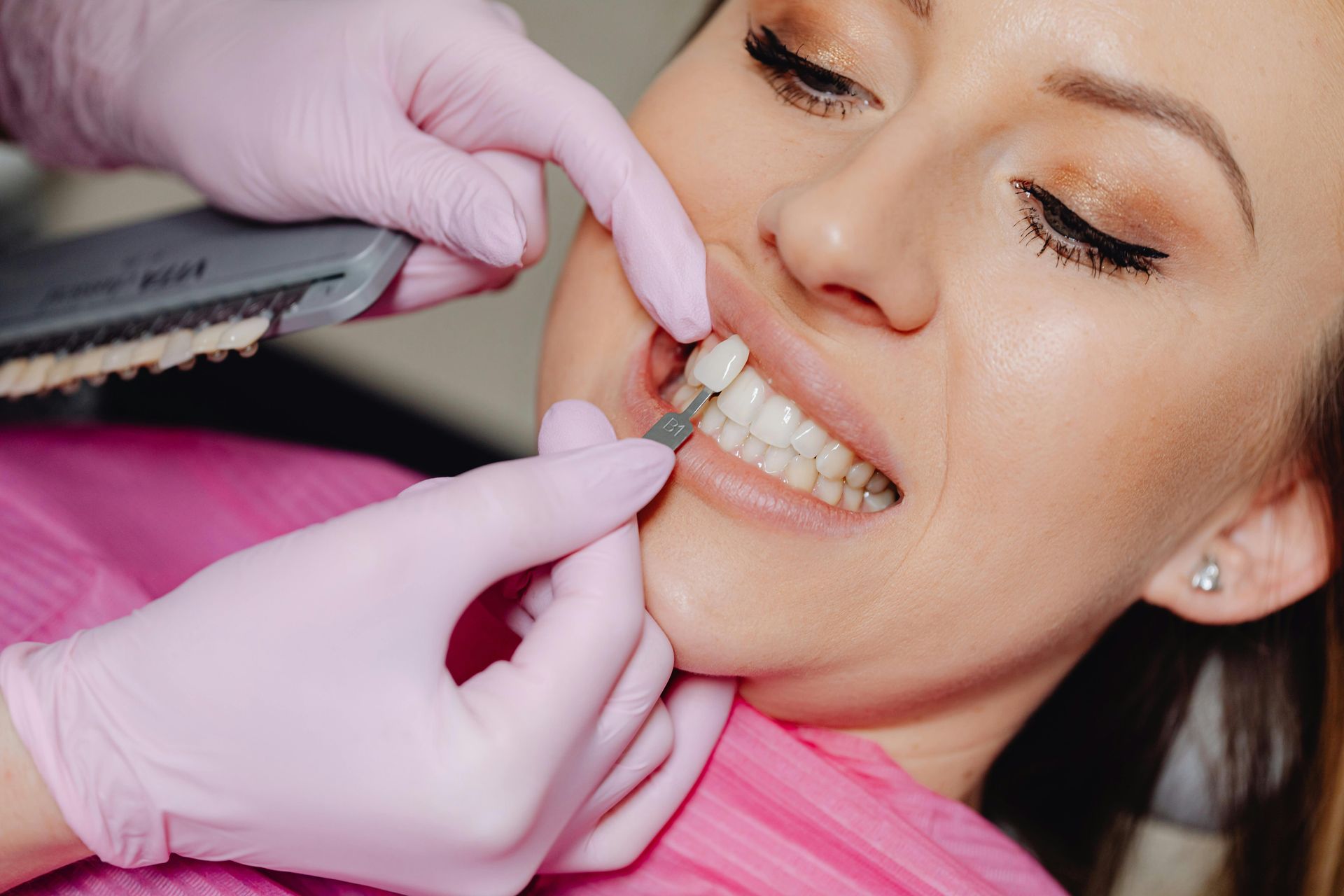
A secondary cavity refers to decay that develops around or under an existing filling or restoration. It often requires more careful treatment than a first-time cavity because the dentist must remove old material, clean the decay thoroughly, and restore the tooth again. In Korea, dental care for secondary cavities is widely available and competitively priced, even without insurance.
This guide explains the secondary cavity treatment cost in Korea, typical pricing for common procedures, and factors that affect your out-of-pocket expense as a foreign patient.
What Is Secondary Cavity Treatment?
Secondary cavity treatment involves repairing new decay that develops adjacent to or beneath an existing filling or restoration. Treatment depends on the location and severity of the decay:
- Minor secondary cavity around an existing filling: replacement filling
- Moderate cavity beneath old material: inlay/onlay or larger restoration
- Advanced decay or damage into the nerve: root canal + crown
The dentist first removes old filling material, cleans out decay, and then chooses the appropriate restorative treatment based on the extent of damage.
Average Secondary Cavity Treatment Cost in Korea
For foreigners without Korean national health insurance (NHIS), secondary cavity treatment costs vary depending on the procedure required:
Replacement Filling (Composite Resin)
- 60,000 – 120,000 KRW per tooth
This is the most common treatment for minor secondary cavities on visible surfaces or moderate areas.
Porcelain Inlay/Onlay (Moderate Decay)
- 300,000 – 700,000 KRW per tooth
Used when decay is beneath old material or larger area requires a stronger restoration.
Dental Crown (Severe Damage)
- 150,000 – 600,000+ KRW per tooth
Used when the tooth structure needs full coverage after decay removal.
Root Canal Treatment (Nerve Involved)
- 100,000 – 250,000+ KRW
Required if the decay reaches the pulp (nerve). Often followed by a crown.
Post & Core Buildup
- 80,000 – 200,000 KRW
Support structure placed after root canal before a crown.
3D Dental CT Scan (If Needed)
- 80,000 – 200,000 KRW
Used for detailed diagnostics in complex cases.
These prices reflect full out-of-pocket costs for foreigners without NHIS. Even at higher tiers, Korea’s dental treatment prices remain competitive compared to many Western countries.
Secondary Cavity Treatment Costs at Different Clinics
Neighborhood Dental Clinics
These clinics tend to offer standard restorative services at more affordable prices. They are a good choice for routine secondary cavity treatment and basic restorations.
Cosmetic Dentistry Centers & Major Hospitals
Clinics in areas such as
Seoul (Gangnam, Apgujeong) or large dental hospitals may charge higher fees for advanced restorative work, digital planning, and premium materials. However, even at premium clinics,
secondary cavity treatment cost in Korea is often a strong value compared to prices abroad.
What’s Typically Included in the Cost
Quoted treatment fees typically include:
- Dental examination and decay assessment
- Removal of old filling material and decay
- Tooth preparation
- Placement of repair (filling, inlay/onlay, crown)
- Local anesthesia
Some clinics include anesthesia in the total price, while others list it separately. Confirm this with your clinic before treatment.
What’s Not Usually Included
Quoted prices may not include:
- Separate consultation or check-up fee
- X-rays or 3D imaging
- Sedation (if requested or needed)
- Follow-up visits beyond placement
- Gum treatment prior to restoration
- Temporary restorations
Always ask for a written estimate detailing what is included and excluded.
Factors That Affect Secondary Cavity Treatment Cost
Several factors influence pricing:
Extent of Decay
More extensive decay often requires stronger restorations like onlays or crowns, increasing cost.
Number of Teeth Treated
Treating multiple teeth increases total expense proportionally.
Material Quality
Premium ceramic or high-end restorative materials cost more.
Clinic Reputation and Location
Clinics in major cities or specialty centers may charge higher fees.
Diagnostic Needs
Advanced imaging adds to overall cost.
Is Secondary Cavity Treatment Covered by Insurance?
If you are enrolled in Korean National Health Insurance (NHIS) and the clinic accepts it, basic restorative services such as fillings may be partially covered, significantly reducing your out-of-pocket cost. However:
- Advanced ceramic restorations and premium options (inlays/onlays) are often not fully covered
- Diagnostics like 3D CT scans may have limited coverage
Foreigners without NHIS pay the full cost.
Typical Scenario Costs (Example)
Here are examples of potential cost scenarios:
- Minor secondary cavity (replacement filling): ~60,000 – 120,000 KRW
- Moderate decay (porcelain inlay/onlay): ~300,000 – 700,000 KRW
- Severe damage (crown): ~150,000 – 600,000+ KRW
- Decay reaching nerve (root canal + crown): ~250,000 – 850,000+ KRW
These combined figures represent typical out-of-pocket expense for foreigners without NHIS.
Final Thoughts on Secondary Cavity Treatment Cost in Korea
The secondary cavity treatment cost in Korea depends on the severity of decay and type of restoration required. Common out-of-pocket price ranges for foreign patients include:
- Replacement composite filling: 60,000 – 120,000 KRW
- Porcelain inlay/onlay: 300,000 – 700,000 KRW
- Dental crown: 150,000 – 600,000+ KRW
- Root canal treatment: 100,000 – 250,000+ KRW
By understanding typical costs and treatment options, you can confidently plan dental care in Korea and avoid unexpected expenses.