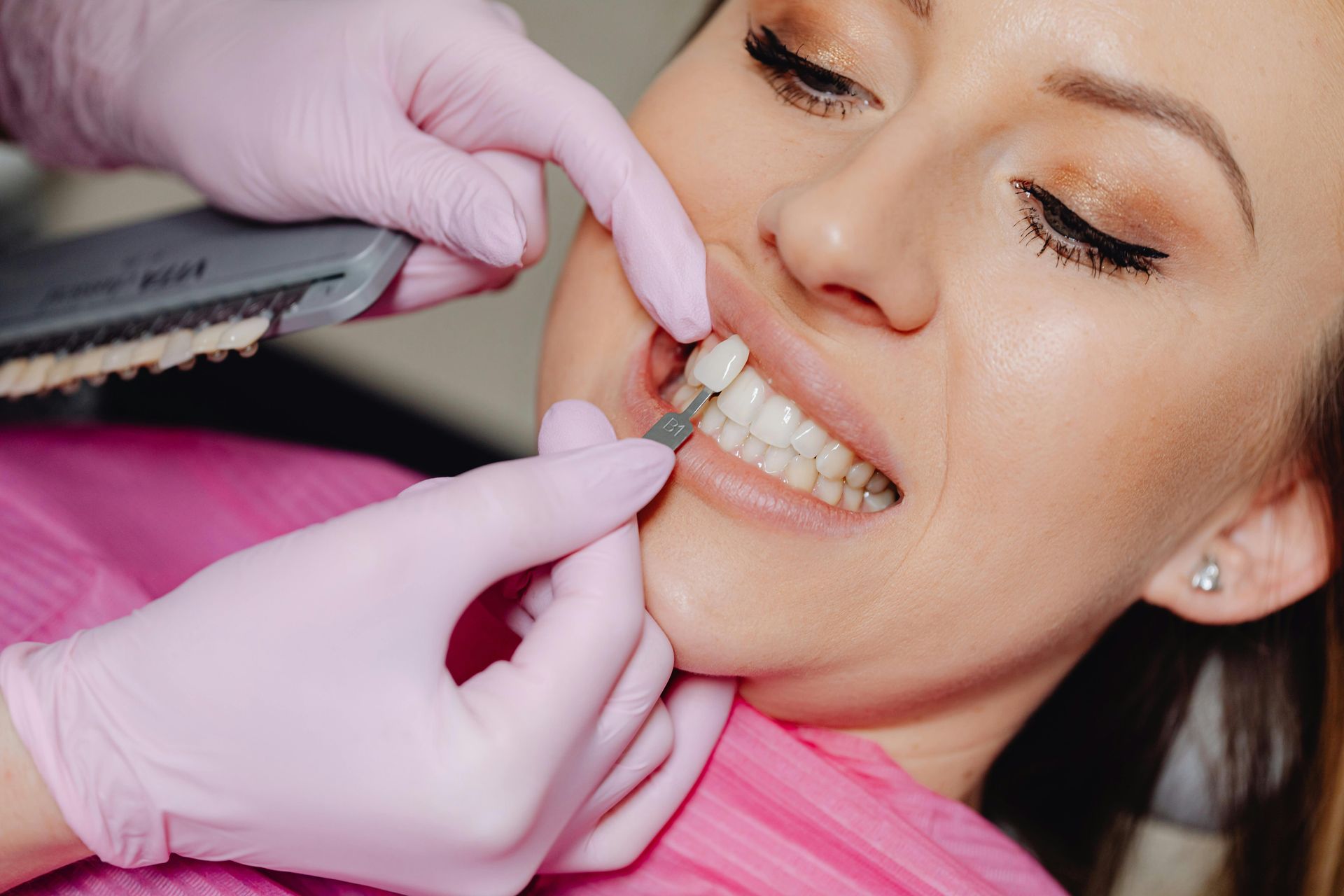
Old filling replacement cost in Korea
Old Filling Replacement Cost in Korea
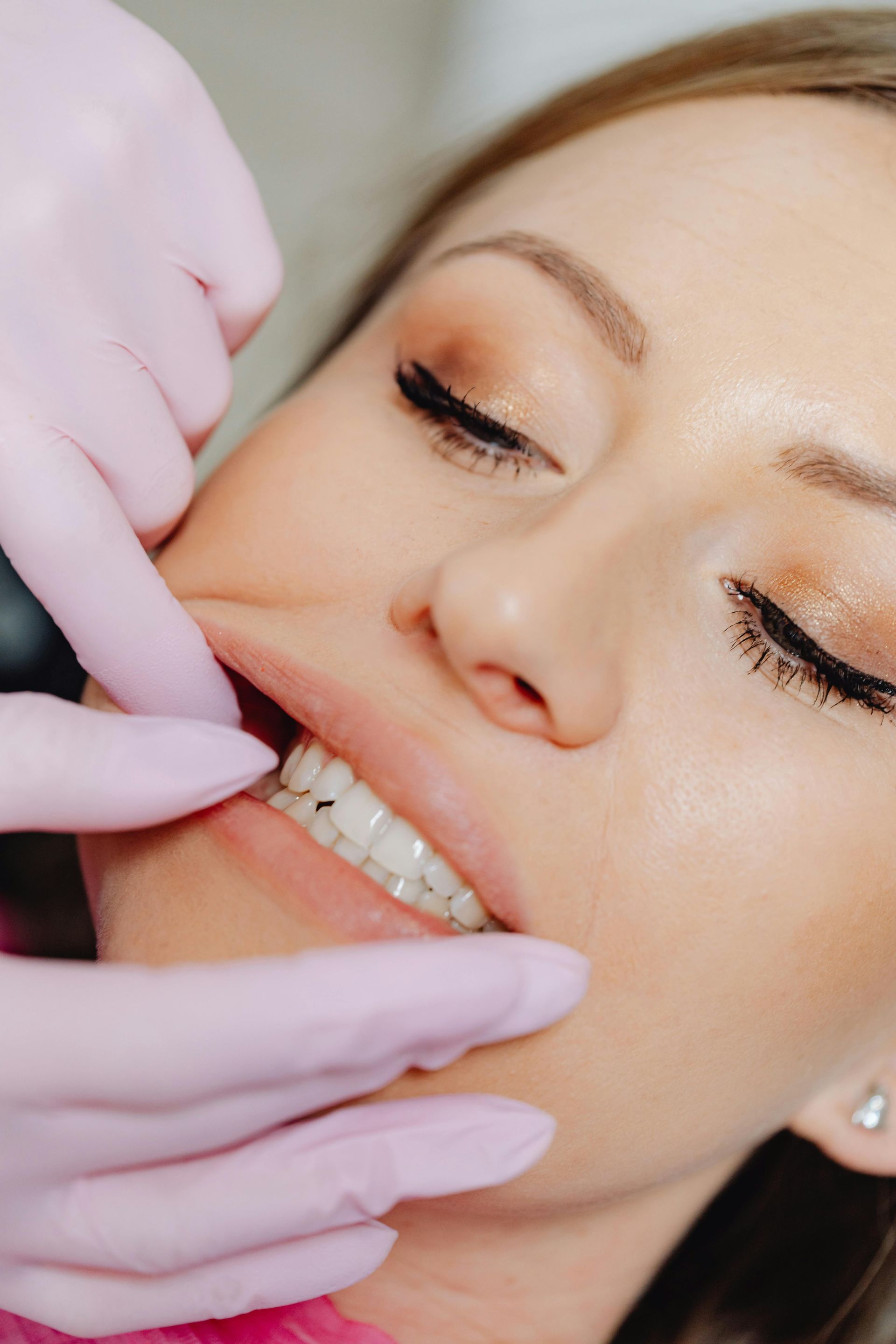
Replacing an old dental filling—often needed when a filling has worn down, cracked, leaked, or developed decay around the edges—is a routine restorative dental service. In Korea, this procedure is widely available, and prices remain competitive even for foreign patients without Korean national health insurance (NHIS).
This guide explains the old filling replacement cost in Korea, typical price ranges, what influences cost, and what you should expect when planning treatment.
What Is Old Filling Replacement?
Old filling replacement means:
- Removing the existing filling material
- Cleaning out any hidden or new decay
- Restoring the tooth with a new filling or restorative material
Depending on the size of the cavity and condition of the tooth, the dentist may use:
- Composite resin
- Ceramic inlay/onlay
- Other restorative materials
Replacement can range from a simple filling swap to a more involved restoration if the tooth structure has deteriorated.
Average Old Filling Replacement Cost in Korea
For foreigners without Korean national health insurance, the old filling replacement cost in Korea typically falls within the following ranges:
Composite Resin Filling Replacement
- 60,000 – 140,000 KRW per tooth
This applies when the old filling is replaced with a tooth-colored composite resin material. Composite resin is the most common choice for aesthetic and functional repair.
If the old filling is relatively small and the replacement straightforward, the lower end of the range usually applies. Larger or more complex replacements may be toward the higher end.
Porcelain (Ceramic) Inlay/Onlay Replacement
- 300,000 – 700,000 KRW per tooth
If the old filling is replaced with a ceramic inlay or onlay—often chosen for stronger, more durable restoration—the cost is higher due to laboratory fabrication and premium materials.
Old Amalgam to Composite Swap
- 80,000 – 180,000 KRW per tooth
Replacing old silver (amalgam) fillings with tooth-colored composite may cost more than a direct composite replacement because of additional shaping and bonding work.
Replacement Cost at Different Clinics
Neighborhood Dental Clinics
These clinics usually charge toward the
lower to mid-range for old filling replacement. They handle routine restorative work efficiently.
Cosmetic Dental Centers & Major Hospitals
Clinics in districts like
Seoul (Gangnam, Apgujeong) or those specializing in cosmetic dentistry may charge toward the
higher end due to advanced technology, aesthetic focus, and personalized planning.
Even at premium clinics, old filling replacement costs in Korea are competitive compared to prices in the US, Europe, or Australia.
What’s Typically Included in the Cost
Quoted old filling replacement fees generally include:
- Dental examination and diagnosis
- Removal of old filling material
- Cleaning and preparation of the cavity
- Placement of new filling or restoration
- Basic finish and polish
Many clinics include local anesthesia as part of the fee, but confirm this up front.
What’s Not Usually Included
The quoted cost may not include:
- Dental check-up or consultation fee
- X-rays or advanced imaging
- Sedation (if requested)
- 3D CT scans
- Follow-up visits beyond placement
- Gum health treatment before restoration
Ask for a written cost estimate that clearly lists included and optional charges.
Factors That Affect Old Filling Replacement Cost
Filling Material
Composite resin is usually less expensive; ceramic inlays/onlays cost more.
Tooth Size and Condition
Larger cavities or more extensive decay require more materials and clinical time.
Clinic Reputation and Location
Prestigious clinics in central urban areas may charge higher fees.
Complexity of the Procedure
Old filling removal may reveal deeper decay or structural issues that require additional work.
Insurance and Old Filling Replacement
If you are enrolled in Korean National Health Insurance (NHIS) and the clinic accepts it, basic filling replacements may be partially covered, reducing out-of-pocket cost. With insurance, your cost for a composite replacement could be significantly lower—often around 20,000 to 60,000 KRW per tooth, depending on coverage and clinic policy.
Foreigners without NHIS typically pay the full out-of-pocket price.
How the Procedure Works
A typical old filling replacement procedure in Korea involves:
- Examination and X-ray (if needed)
- Local anesthesia
- Removal of old filling material
- Decay cleaning and cavity preparation
- Placement of new filling or inlay/onlay
- Polishing and bite adjustment
The visit usually takes 30–60 minutes per tooth depending on complexity.
Benefits of Replacing Old Fillings
Replacing old or failing fillings can:
- Prevent new decay
- Eliminate sensitivity or pain
- Restore proper bite and chewing
- Improve appearance with tooth-colored materials
- Extend the life of the tooth
Timely replacement helps avoid more costly treatments later, such as crowns or root canal therapy.
Final Thoughts on Old Filling Replacement Cost in Korea
The old filling replacement cost in Korea for foreign patients without insurance generally includes:
- Composite resin replacement: 60,000 – 140,000 KRW per tooth
- Porcelain (ceramic) inlay/onlay replacement: 300,000 – 700,000 KRW per tooth
- Amalgam to composite swap: 80,000 – 180,000 KRW per tooth
Prices vary by clinic type, location, materials used, and procedure complexity. Asking for a detailed estimate before treatment ensures clarity and helps you make a confident decision.