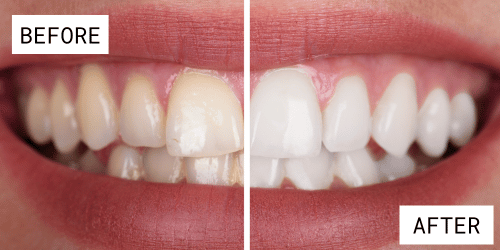
Traditional bridge
Crowns on the teeth either side support the new tooth.
- Strong and long-lasting
- Neighbouring teeth are reshaped
Gangnam Seoul · Fixed replacement for missing teeth
A dental bridge fills the gap left by one or more missing teeth with a fixed, natural-looking replacement. Our prosthodontics team designs it and our in-house lab makes it.
In short: a dental bridge is a row of joined crowns: the teeth (or implants) on each side of a gap hold an artificial tooth in between. It is fixed in place, so you do not take it out. A conventional bridge usually takes two visits about 1–2 weeks apart.
English-speaking team · Saturday appointments · Cheongdam Station Exit 14
Understanding bridges
The supporting teeth either side of the gap are called abutments, and the replacement tooth is the pontic. Bridges can be made from zirconia, porcelain or porcelain fused to metal.
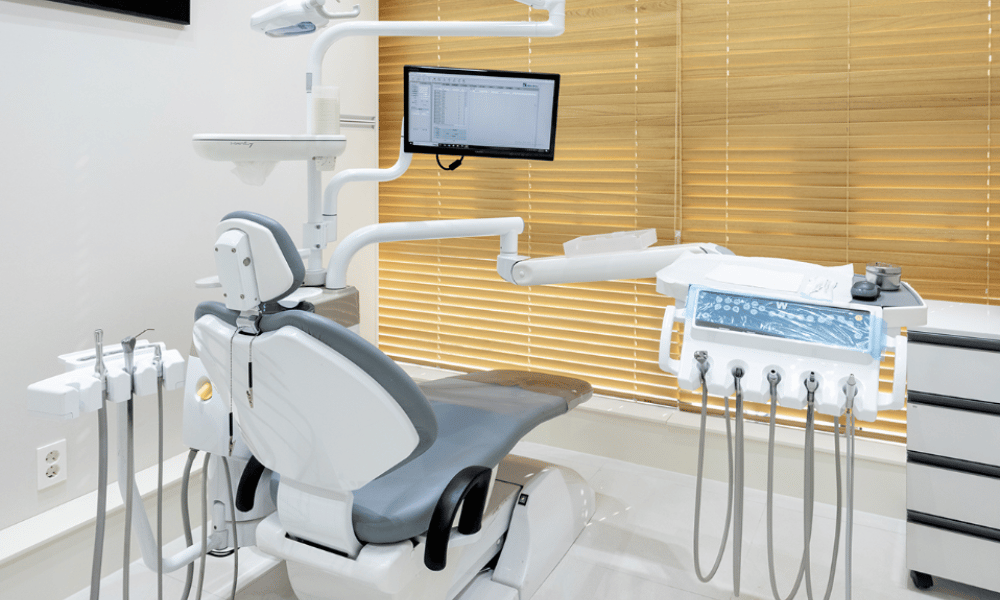
Dr. Wook-Dong Kim, Dr. Sung-Ook Oh and Dr. Il-Hyun Kim check the supporting teeth and bone first, so the bridge is built on a healthy base.
Crowns on the teeth either side support the new tooth.
Bonded wings, or implants instead of teeth, hold the pontic.
Good candidates
Limitations
How it works
A traditional bridge usually needs two main visits.
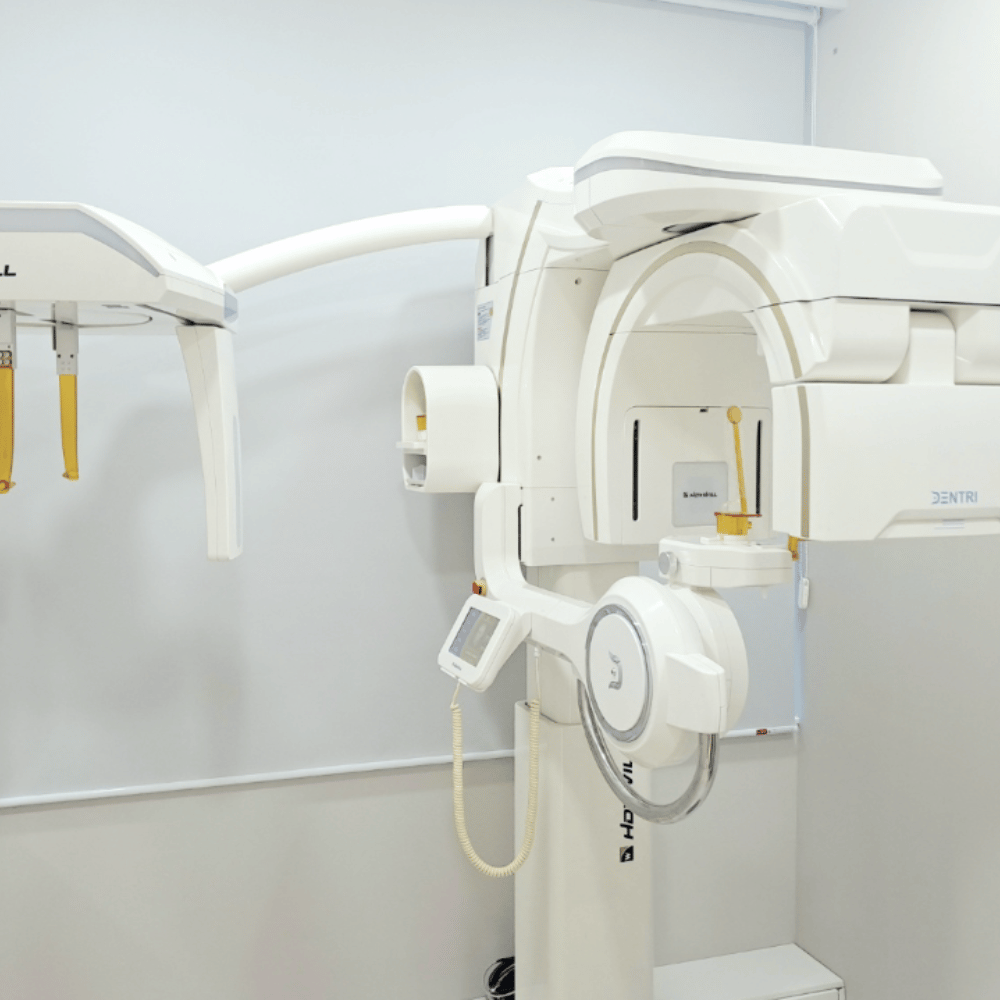
We check the supporting teeth, gums and bone.
First visitTeeth are shaped and impressions taken; a temporary bridge is fitted.
Visit 1Your bridge is made in our in-house lab.
About 1–2 weeksFit, colour and bite are checked, then it is cemented.
Visit 2We check the gums and supporting teeth.
Every 6–12 monthsOptions at a glance
Your dentist recommends a type after your examination.
| Type | Best for |
|---|---|
| Traditional 3-unit bridge | One missing tooth, strong neighbours |
| Resin-bonded bridge | Front teeth, low-bite areas |
| Implant-supported bridge | Several missing teeth |
Costs depend on your diagnosis and the treatment you choose. After your examination we give you a written, itemised quote in English before any treatment begins.
For international patients
A traditional bridge can usually be finished in one stay of about 1–2 weeks. Our coordinator plans the two visits around your schedule.
A typical visit plan
Send X-rays or photos and travel dates.
Exam, X-rays and a written plan.
Tooth preparation and temporary bridge.
Final bridge fitted.
If a root canal or gum treatment is needed first, allow more time.
Long-term care
The supporting teeth must stay healthy for the bridge to last.
Questions patients ask us
Come and say hello
Message us in English with X-rays or photos — we'll book a time that suits you.
This page is for general information and does not replace an examination by a dentist. A Plus Dental Clinic · Gangnam, Seoul · Since 1996 · Last updated October 2026
Gangnam A Plus Before & After Photos
Trusted by Patients Worldwide
🦷 Book Your Smile Consultation Today
Let us help you achieve the smile you deserve. Quick. Easy. Confidential.

Monday~Friday:
9:30AM-6:00PM
Saturday:
9:00AM-1:00PM
Welcome to Gangnam A Plus Dental Clinic, your trusted destination for high-quality dental care in Seoul. Our English-speaking dentists include USA-trained professionals and Seoul National University graduates, delivering global-standard treatment in a foreigner-friendly environment. From routine check-ups to advanced cosmetic and specialized procedures, we provide complete dental care for international patients.
Tel: +82-10-9325-2875
Address: 3rd Fl. Samgang Bldg, 704 Yeongdong-daero, Gangnam-gu, Seoul
Cheongdam Station (Subway Line 7, Olive Green)
Right off Exit 14
(A Twosome Place building - 3rd Floor)
Parking
Free parking available on the basement level