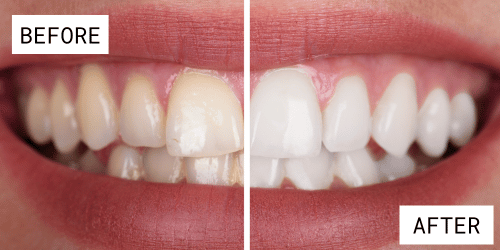
Gingivitis
Inflammation of the gums only. The bone is not yet affected, so the damage can be fully reversed.
- Gums look red or puffy
- Bleeding when you brush or floss
- Treated with a professional cleaning (scaling) and better daily care
Gangnam Seoul · Gum (periodontal) care in English
Bleeding, swollen or receding gums? Our Seoul National University–trained dentists treat gum disease early — and explain every step in English — so you can keep your natural teeth.
In short: periodontal disease is a bacterial infection of the gums and the bone that holds your teeth. Caught early (gingivitis), it is fully reversible with a professional cleaning and better home care. Once it reaches the bone (periodontitis), deep cleaning, and sometimes gum surgery, can stop it from getting worse.
English-speaking team · Saturday appointments · Cheongdam Station Exit 14
Understanding gum disease
Periodontal disease (gum disease) starts when plaque — a sticky film of bacteria — builds up along the gum line. The gums become inflamed, and over time the infection can spread below the gums to the ligament and bone that anchor your teeth.
It is very common: the World Health Organization estimates that severe periodontal disease affects around 1 in 5 adults worldwide. It is also one of the leading causes of tooth loss in adults — which is why finding it early matters.
Inflammation of the gums only. The bone is not yet affected, so the damage can be fully reversed.
The infection has reached the bone. Pockets form between gum and tooth, and bone that is lost usually does not grow back on its own.
When to see a dentist
Gum disease is often painless until it is advanced. Book a check-up if you notice any of these:
Who is at higher risk
How we treat it
We always start with the gentlest option that will work. Surgery is only considered if deep pockets remain after non-surgical treatment.
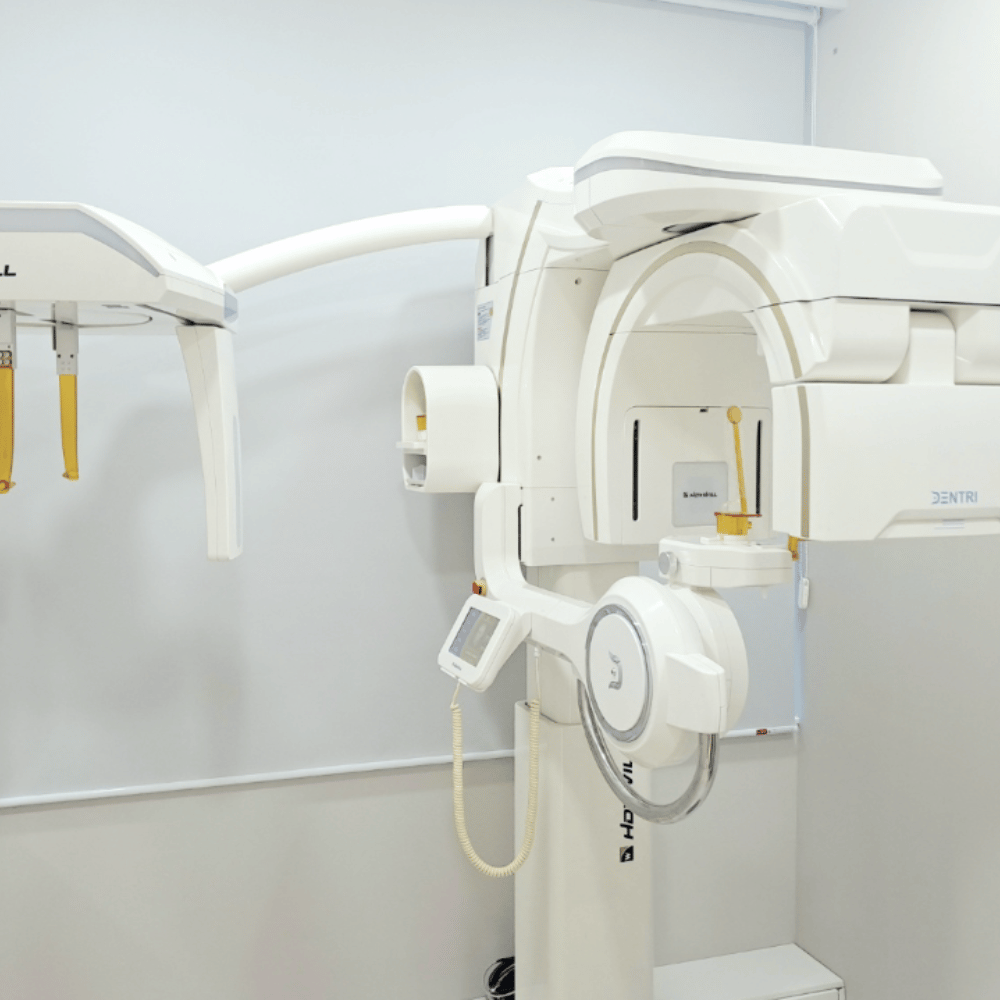
We measure pocket depth around each tooth and take X-rays or a 3D CT scan to see the bone.
First visitA deep clean under local anaesthetic removes tartar below the gum line and smooths the roots so gums can reattach.
1–2 visitsWe re-measure the pockets once the gums have healed to check how well they have responded.
About 4–8 weeks laterFor pockets that stay deep: flap surgery, bone or gum grafts, or guided tissue regeneration.
Only when requiredRegular periodontal cleanings keep the disease under control and protect your results long-term.
Every 3–6 monthsTreatment options at a glance
Your dentist will recommend a plan after the examination. This table gives you an idea of what each option involves.
| Treatment | Best for | What it involves |
|---|---|---|
| Scaling (professional cleaning) | Gingivitis, prevention | Removes plaque and tartar above and just below the gum line. Usually one short visit. |
| Scaling & root planing (deep cleaning) | Early to moderate periodontitis | Cleans deep pockets and smooths root surfaces under local anaesthetic, often section by section. |
| Antibiotic therapy | Active or stubborn infection | Antibiotics placed in the pocket or taken by mouth, alongside cleaning — never instead of it. |
| Laser periodontal therapy | Selected pockets | A dental laser can help reduce bacteria and inflamed tissue as part of deep cleaning. |
| Flap (pocket reduction) surgery | Moderate to severe periodontitis | The gum is gently lifted to clean the roots, then repositioned to reduce pocket depth. |
| Bone graft / guided tissue regeneration | Bone loss around a tooth | Graft material and a membrane encourage lost bone and tissue to regrow in suitable sites. |
| Soft tissue (gum) graft | Receding or thin gums | Tissue is added to cover exposed roots and strengthen the gum line. |
For international patients
Many of our gum patients are expats, students and travellers. Our English coordinator books visits around your schedule — Saturdays included — and your dentist explains your diagnosis and options in English before anything begins.
A typical visit plan
Message us on WhatsApp or email. Recent X-rays or photos help us prepare.
Gum examination, X-rays and a clear, written treatment plan in English.
Deep cleaning, usually completed in one or two visits.
Re-evaluation here — or with your dentist at home, using the records we give you.
Maintenance cleanings every 3–6 months to keep your gums healthy.
If surgery is recommended, allow extra time in Seoul for healing and a follow-up check. Your dentist will give you an exact timeline.
After treatment
Gum disease can come back if plaque returns. These habits make the biggest difference:
Questions patients ask us
Related gum treatments
Covering exposed roots and protecting sensitive teeth.
Learn more →Laser-assisted cleaning of inflamed gum pockets.
Learn more →Reshaping the gum line for a balanced smile.
Learn more →Replacing teeth already lost to gum disease.
Learn more →Come and say hello
Send us a message in English — we'll reply, find a time that suits you and explain what to expect before your visit.
This page is for general information and does not replace an examination by a dentist. A Plus Dental Clinic · Gangnam, Seoul · Since 1996 · Last updated October 2026
Gangnam A Plus Before & After Photos
Trusted by Patients Worldwide
🦷 Book Your Smile Consultation Today
Let us help you achieve the smile you deserve. Quick. Easy. Confidential.

Monday~Friday:
9:30AM-6:00PM
Saturday:
9:00AM-1:00PM
Welcome to Gangnam A Plus Dental Clinic, your trusted destination for high-quality dental care in Seoul. Our English-speaking dentists include USA-trained professionals and Seoul National University graduates, delivering global-standard treatment in a foreigner-friendly environment. From routine check-ups to advanced cosmetic and specialized procedures, we provide complete dental care for international patients.
Tel: +82-10-9325-2875
Address: 3rd Fl. Samgang Bldg, 704 Yeongdong-daero, Gangnam-gu, Seoul
Cheongdam Station (Subway Line 7, Olive Green)
Right off Exit 14
(A Twosome Place building - 3rd Floor)
Parking
Free parking available on the basement level