
Veneers vs crowns cost comparison Korea
Veneers vs Crowns Cost Comparison in Korea: Patient Guide
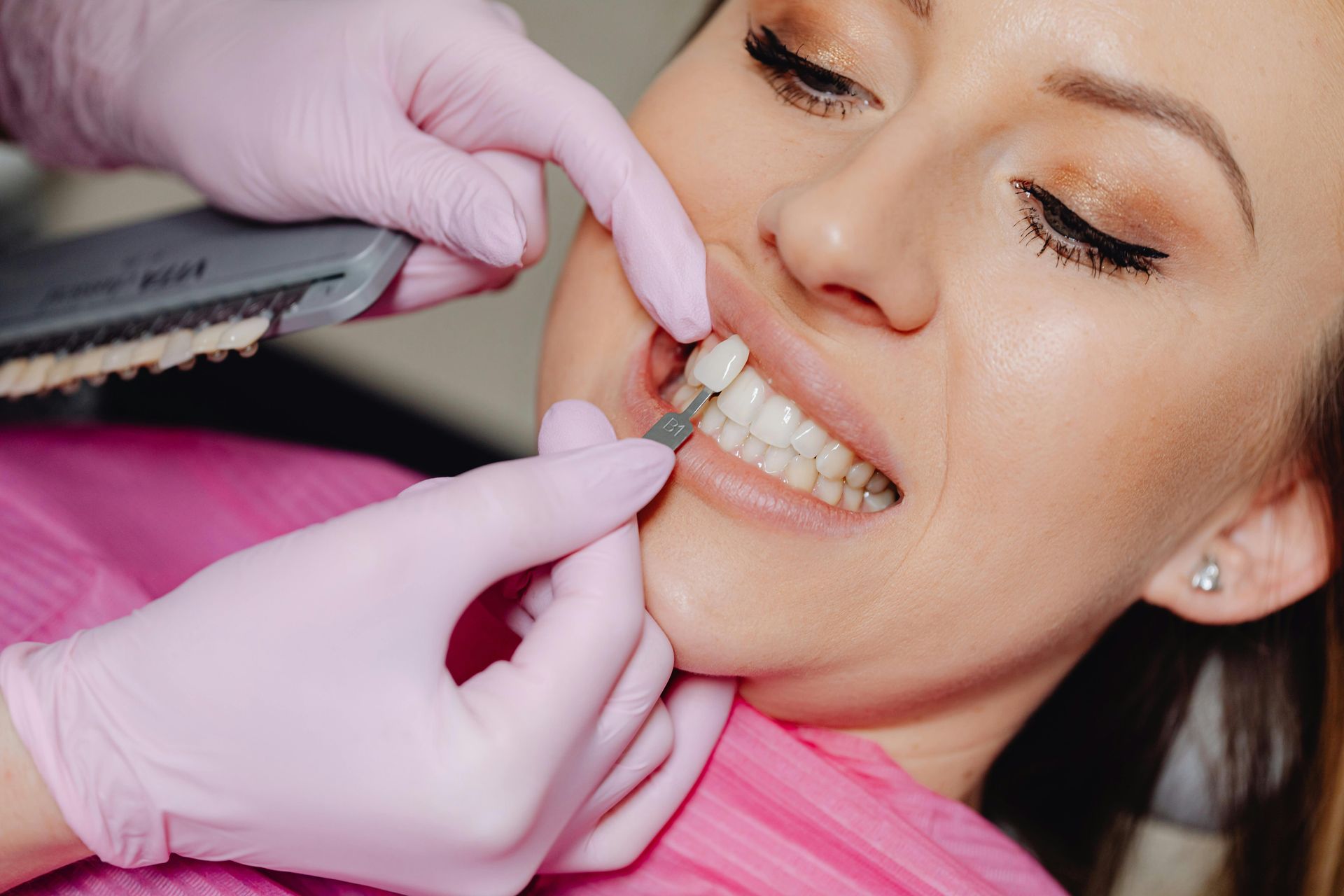
When planning cosmetic or restorative dental treatment, many patients consider veneers or crowns. Both improve appearance and function, but they differ in indication, preparation, and cost. Below is a clear, clinic-ready comparison of veneers vs crowns cost in Korea.
1. What Veneers and Crowns Are
Veneers
Porcelain veneers are thin ceramic shells bonded to the front surface of teeth. They are mainly cosmetic and preserve more tooth structure.
- Best for improving color, shape, small gaps, minor misalignment
- Minimal or limited preparation (no-prep / minimal-prep options)
Crowns
Dental crowns (caps) cover the entire visible part of a tooth. They are both cosmetic and functional.
- Used for broken, heavily filled, worn, cracked, or endodontically treated teeth
- Requires more tooth reduction to accommodate the crown
2. Typical Cost Ranges in Korea
TreatmentCost Range (per tooth)Porcelain VeneerKRW 600,000 – KRW 1,200,000+Minimal-Prep / Ultra-Thin VeneerKRW 600,000 – KRW 1,000,000+Porcelain Crown / PFM CrownKRW 400,000 – KRW 700,000Zirconia CrownKRW 500,000 – KRW 1,000,000+High-End Ceramic CrownKRW 600,000 – KRW 1,200,000+
Summary:
- Veneers usually cost similar to or slightly more than a basic crown.
- High-esthetic veneers and high-end ceramic crowns can overlap in price.
3. Cost Drivers for Veneers and Crowns
Veneer Cost Influences
- Type of porcelain (standard vs premium layered ceramics)
- Degree of customization and digital smile design
- Number of teeth treated (single vs full-smile)
- Clinic expertise in cosmetic dentistry
Veneer costs are typically driven by aesthetic planning and laboratory work.
Crown Cost Influences
- Material (PFM vs zirconia vs full ceramic)
- Need for core buildup / post after root canal
- Tooth condition and preparation complexity
- Clinic technology (CAD/CAM, in-house milling)
Crown costs reflect strength and durability requirements as well as esthetics.
4. How Cost Relates to Treatment Planning
Small Cosmetic Cases
- Veneers are often preferred for purely aesthetic changes
- A full smile veneer case (e.g., 8–10 teeth) bundles multiple units, so total cost increases rapidly
Functional or Structural Cases
- Crowns are recommended when a tooth needs full coverage
- A crown can be lower in cost than a veneer when lower-end materials are chosen
Example:
- Porcelain veneer (KRW 800,000 × 8 teeth) ≈ KRW 6,400,000
- Zirconia crown (KRW 700,000 × 8 teeth) ≈ KRW 5,600,000
This comparison shows that veneer cases may be more expensive overall, especially in large-smile makeovers.
5. Long-Term Value and Cost Considerations
Lifespan
- Veneers: often last 10–15+ years with good care
- Crowns: 10–15+ years, potentially longer depending on material and function
Maintenance
- Veneers may chip if used on heavily worn or misaligned teeth
- Crowns provide full coverage and are generally more durable for function
Replacement Costs
Replacement of veneers or crowns typically falls in the same range as initial placement.
6. Insurance and Payment in Korea
- Most veneers and crowns are non-insured cosmetic/restorative treatments
- Patients usually pay out-of-pocket
- Private insurance may offer partial reimbursement depending on policy terms
- Foreign patients generally pay standard private rates
7. Final Comparison: Veneers vs Crowns Cost in Korea
Pros & Cost Summary
- Veneers: Aesthetic focus, conservative tooth preparation, cost ~ KRW 600,000–1,200,000+ per tooth
- Crowns: Functional & aesthetic solution, broader indication, cost ~ KRW 400,000–1,200,000+ per tooth
Cost Insight
- Veneers and crowns can overlap in cost, especially high-end ceramics.
- For a full smile makeover, veneers may carry a higher total cost due to more units being treated esthetically.
Conclusion
Both veneers and crowns are widely available in Korea at competitive costs. Veneers focus on cosmetic enhancement and are ideal when tooth structure is healthy. Crowns provide structural support and protection. Because individual needs vary, a consultation with a dentist will help determine the most appropriate treatment—and exact cost—for each patient’s smile goals.