Porcelain Inlay/Onlay Cost in Korea
Porcelain Inlay/Onlay Cost in Korea
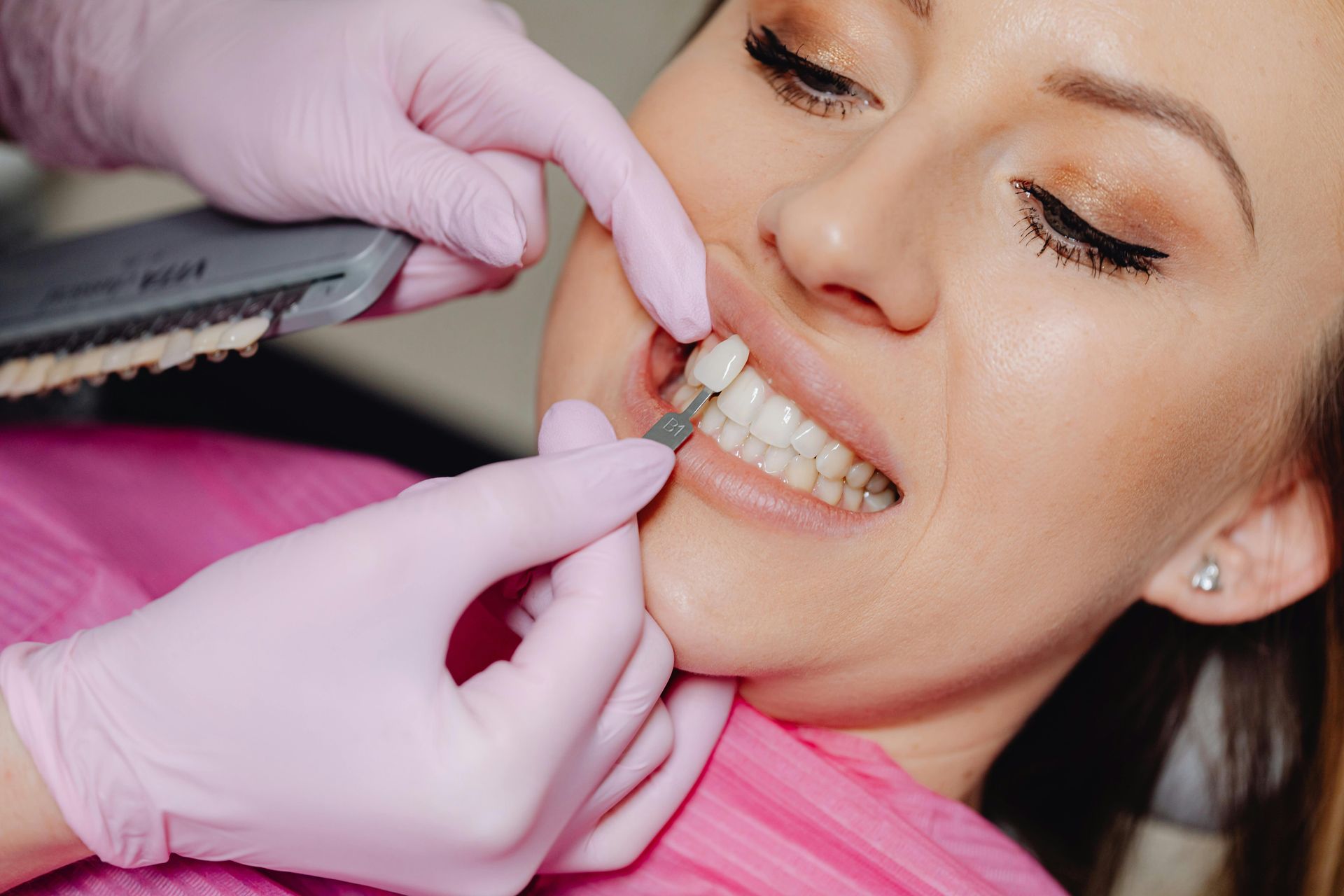
Porcelain inlays and onlays are premium restorative dental treatments used to repair moderate tooth decay or damage that is too extensive for a traditional filling but does not require a full crown. They are made from high-quality ceramic (porcelain) materials that mimic natural tooth color and strength. Korea is known for advanced restorative dentistry and competitive pricing, making porcelain inlays/onlays an attractive option for foreign patients.
This guide explains the porcelain inlay/onlay cost in Korea, what the treatment involves, and factors that affect pricing.
What Are Porcelain Inlays and Onlays?
A porcelain inlay fits within the grooves of a tooth’s chewing surface, while a porcelain onlay covers one or more cusps (points) of the tooth. Both are fabricated from durable ceramic materials and cemented into place to restore function and aesthetics.
Porcelain inlays/onlays are preferred when:
- A cavity is too large for a conventional filling
- You want a more aesthetic and long-lasting restoration
- You seek strength similar to a crown but with more tooth preservation
They are a cosmetic and functional upgrade from traditional fillings and ideal for back teeth where durability is key.
Average Porcelain Inlay/Onlay Cost in Korea
For foreigners without Korean national health insurance, the porcelain inlay/onlay cost in Korea typically ranges from:
- 300,000 to 700,000 KRW per tooth
This price generally reflects the cost of materials, laboratory fabrication, and the clinical procedure.
The exact price depends on:
- Whether the restoration is an inlay or an onlay
- The size and shape of the restoration
- The type of porcelain or ceramic material used
- The laboratory and fabrication technology (handcrafted vs CAD/CAM)
Porcelain inlays/onlays are more expensive than composite fillings but often more affordable than all-ceramic crowns.
Porcelain Inlay/Onlay Cost at Different Clinics
Neighborhood Dental Clinics
These clinics typically offer porcelain inlay/onlay services at competitive rates. They are suitable for standard restorative cases and routine cosmetic dentistry.
Cosmetic Dentistry Centers & Large Dental Hospitals
Clinics in central districts such as
Seoul (Gangnam, Apgujeong) or specialty cosmetic dental centers may charge toward the higher end of the range. These facilities often offer detailed aesthetic planning, digital smile design, and advanced CAD/CAM fabrication.
Despite price differences, porcelain inlay/onlay costs in Korea remain competitive compared to restorative costs in North America, Europe, or Australia.
What’s Typically Included in the Cost
The porcelain inlay/onlay price in Korea usually includes:
- Initial dental consultation and exam
- Tooth preparation
- Impression or digital scan
- Laboratory fabrication of the inlay/onlay
- Final placement and polishing
Some clinics also include local anesthesia, but you should confirm this in advance.
What’s Not Usually Included
The quoted cost may not include:
- Separate dental check-up or exam fee
- X-rays or 3D CT imaging
- Temporary restorations (if needed)
- Sedation anesthesia (if requested)
- Gum health treatment prior to restoration
- Follow-up visits beyond routine placement
Requesting a detailed written estimate before treatment helps you avoid unexpected fees.
Factors That Affect Porcelain Inlay/Onlay Cost
Several factors influence pricing:
Type of Restoration
Onlays (which cover more surface area) usually cost more than inlays.
Material Quality
Premium porcelain or layered ceramic materials may cost more than standard options.
Clinic Location and Reputation
Clinics in major metropolitan areas or with strong cosmetic dentistry branding tend to charge higher fees.
Technology Used
Digital CAD/CAM systems may increase efficiency and precision but can affect pricing.
Is Porcelain Inlay/Onlay Covered by Insurance?
Porcelain inlays and onlays are generally considered premium restorative treatments and are not typically covered by Korean National Health Insurance (NHIS), even for insured residents. This means foreign patients without NHIS pay the full porcelain inlay/onlay cost out of pocket.
In some cases, basic restorative work may get partial coverage if clinically necessary, but cosmetic or premium material options usually do not qualify.
How the Procedure Works
A typical porcelain inlay/onlay procedure in Korea includes:
- Dental examination and X-rays
- Tooth preparation and shaping
- Digital scan or impression
- Laboratory fabrication (a few days)
- Inlay/onlay placement
- Final adjustments and polishing
Some clinics with CAD/CAM technology can complete fabrication and placement in a single visit.
Advantages of Porcelain Inlay/Onlay
- Natural, tooth-colored appearance
- Strong and long-lasting
- Conservative tooth preservation
- Better stain resistance than composite materials
Porcelain inlays/onlays offer a balance between strength and aesthetics, making them popular for restorations in visible and functional areas.
Final Thoughts on Porcelain Inlay/Onlay Cost in Korea
The porcelain inlay/onlay cost in Korea for foreign patients without insurance typically ranges from 300,000 to 700,000 KRW per tooth. Prices vary based on the type of restoration, materials, clinic, and technology used.
By understanding typical costs and what is included, foreign patients can plan their restorative dental care in Korea with confidence.