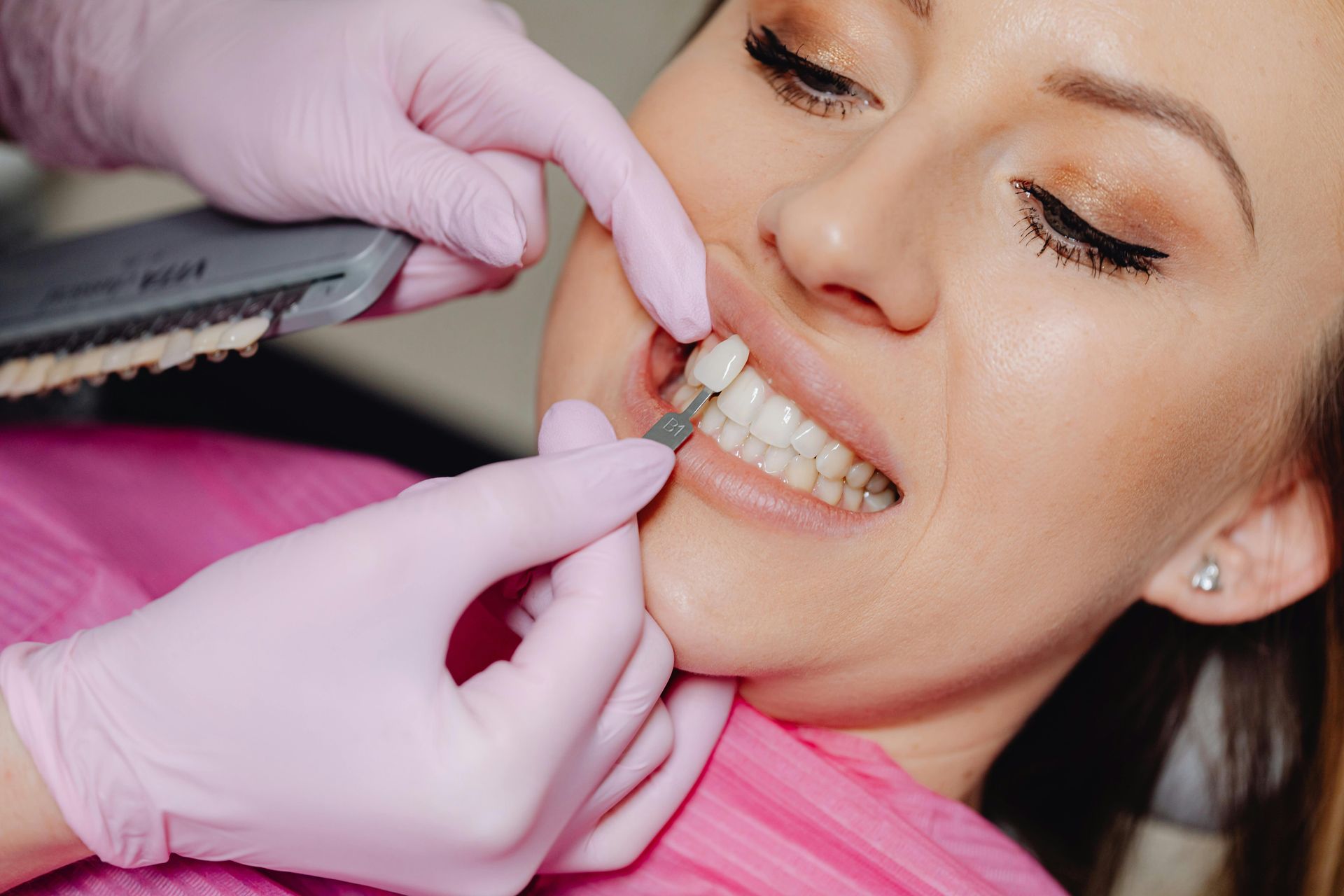
Gum surgery cost in Korea
Gum Surgery Cost in Korea: Patient Price Guide
Gum surgery (periodontal surgery) is performed to treat advanced gum disease, reshape gum tissues, or prepare the mouth for restorative procedures. Because it involves surgical intervention, including incisions and tissue management, it typically costs more than routine gum scaling. Below is a clear, clinic-ready overview of gum surgery cost in Korea that you can publish on your dental website.
What Is Gum Surgery?
Gum surgery refers to procedures used to treat periodontal (gum) disease or improve the health and structure of gum tissues. Common types include:
- Flap surgery (to remove bacteria and regenerate bone)
- Gingivectomy (to remove excess gum tissue)
- Crown lengthening (to expose more of a tooth)
- Periodontal regeneration (bone and tissue grafting)
The specific cost varies based on the type of surgery and severity of the condition.
Typical Gum Surgery Cost in Korea
In Korea, the cost of gum surgery generally ranges from:
KRW 300,000 to KRW 1,200,000+ per quadrant or site
Smaller procedures on a limited area of the mouth may be on the lower end, while extensive periodontal surgery involving bone grafting and multiple teeth may be at the higher end or more.
Cost by Type of Gum Surgery
1. Gingivectomy (Gum Tissue Removal)
- KRW 300,000 – KRW 600,000 per area
Used to remove inflamed or excess gum tissue and improve gum contour.
2. Flap Surgery (Pocket Reduction)
- KRW 500,000 – KRW 1,000,000+ per quadrant
Used to access deep periodontal pockets to clean roots and reduce disease.
3. Crown Lengthening
- KRW 500,000 – KRW 1,200,000+ per quadrant
Used to expose more tooth structure for restorative or esthetic purposes.
4. Periodontal Regeneration
- KRW 800,000 – KRW 1,500,000+ per site
Used when bone and soft tissue need regeneration; often includes grafts and membranes.
Factors That Affect Gum Surgery Cost
Severity of Gum Disease
More advanced disease with deep pockets and bone loss requires more time and surgical precision, increasing cost.
Number of Sites or Quadrants
Treating one area, multiple quadrants, or the full mouth affects total cost.
Use of Grafts and Materials
Bone grafts, soft tissue grafts, or barrier membranes add to the overall cost.
Diagnostic Imaging
X-rays or advanced scans used for diagnosis and planning may be billed separately.
Clinic Location and Specialist Experience
Periodontists and clinics in major metropolitan areas like Seoul may have higher fees due to specialist expertise and overhead.
What Is Usually Included in the Fee
Most clinics include:
- Clinical examination and periodontal measurements
- Local anesthesia
- Surgical procedure
- Sutures if needed
- Post-operative instructions
Confirm with your dentist whether imaging, medications, or postoperative check-ups are included.
Insurance and Payment in Korea
- Gum surgery is generally considered non-insured dental treatment, meaning most patients pay out of pocket.
- Some basic procedures or diagnostics may be partially covered under national health insurance, depending on age and policy.
- Private dental insurance plans may offer partial reimbursement depending on coverage terms.
- Foreign patients typically pay standard private clinic rates.
Number of Visits Required
Gum surgery usually involves:
- Initial periodontal assessment and diagnostics
- Surgical procedure visit
- Follow-up visit(s) for healing evaluation and suture removal
Depending on disease severity and area treated, multiple visits may be required.
Final Thoughts on Gum Surgery Cost in Korea
The gum surgery cost in Korea typically ranges from KRW 300,000 to KRW 1,200,000+ per area or quadrant, depending on the type of surgery, severity of disease, materials used, and clinic expertise.
A periodontal consultation will provide a personalized treatment plan and exact cost estimate based on your specific condition.