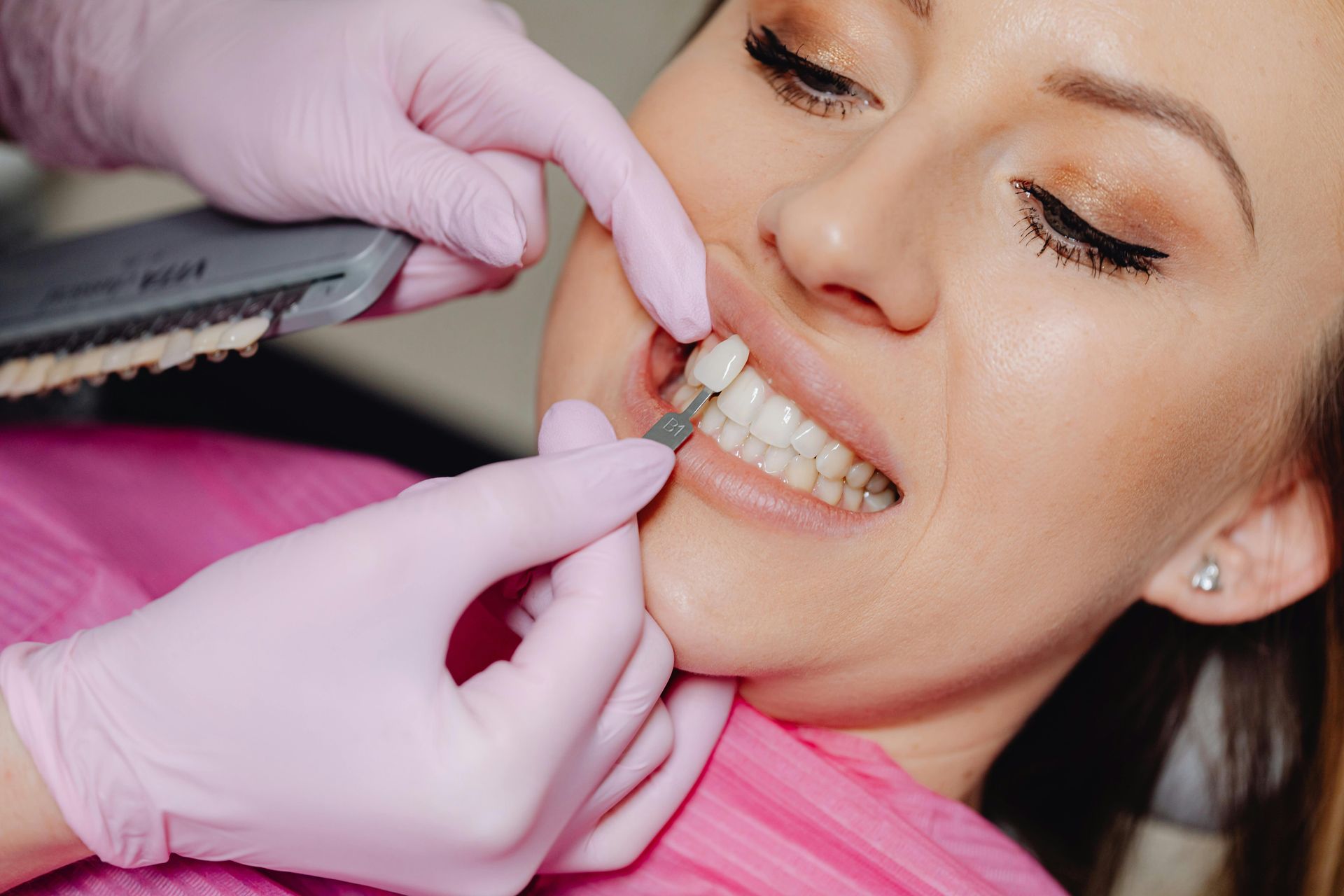
Dental treatment cost with insurance in Korea
Dental Treatment Cost With Insurance in Korea
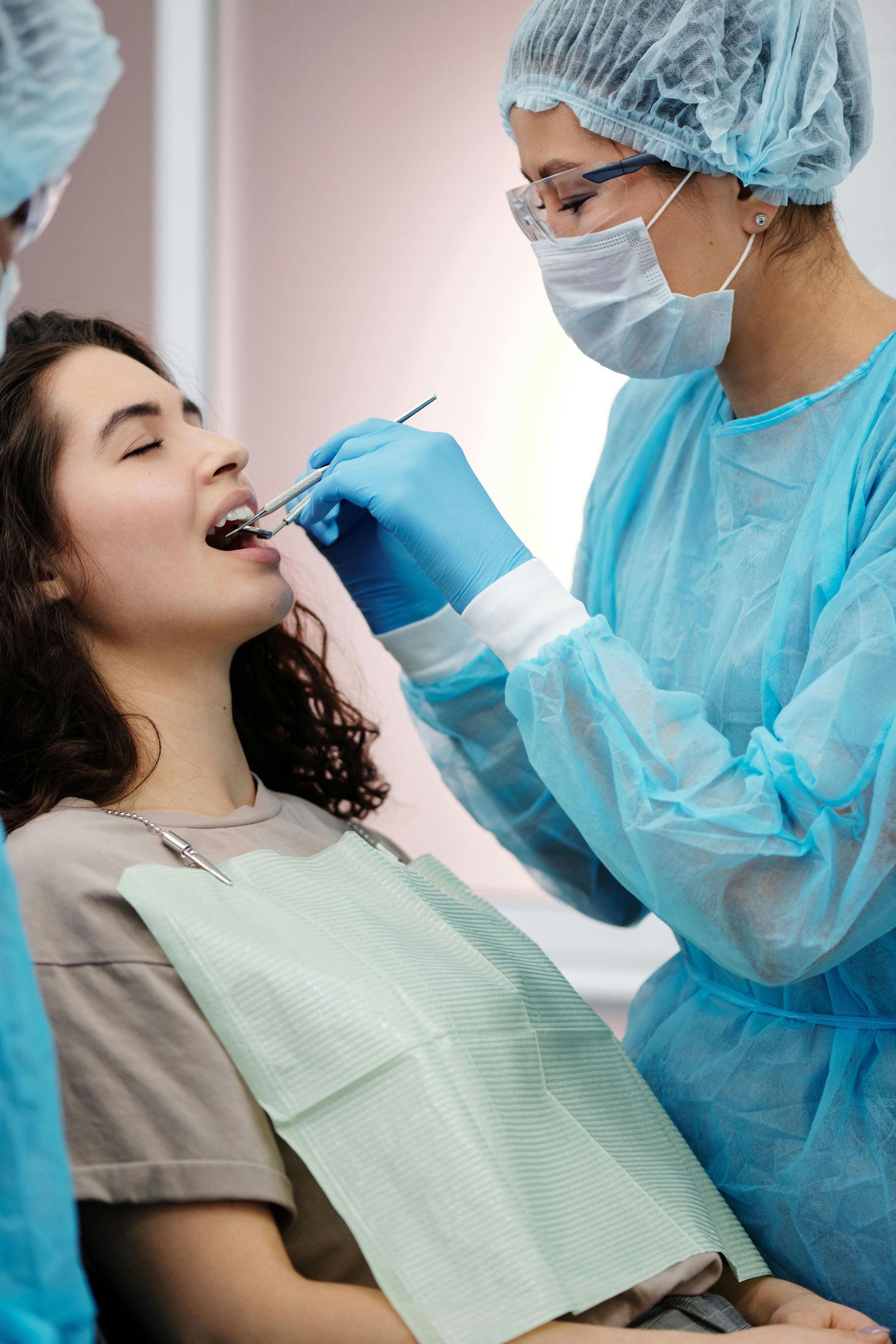
If you are living in Korea and enrolled in the Korean National Health Insurance (NHIS), you’ll benefit from significantly reduced dental treatment costs compared to paying out-of-pocket. Dental care in Korea is high quality and often more affordable overall, but having insurance makes it even more cost-effective.
This guide explains how dental treatment costs with insurance in Korea work, what services are covered, typical out-of-pocket fees, and tips for foreign residents.
How Dental Insurance Works in Korea
Korea’s National Health Insurance System (NHIS) provides coverage for residents, including many dental treatments. Both Korean citizens and foreign residents who hold valid visas and are enrolled in NHIS can access these benefits.
Insurance does not fully cover all dental services. Instead, it subsidizes a portion of the cost, usually covering basic treatments and part of the fees for more advanced procedures.
You still pay a share of the treatment cost (co-payment), but with insurance, your out-of-pocket expense is significantly lower than the full listed price.
Common Dental Treatments Covered by Insurance
NHIS in Korea typically covers or subsidizes the following dental treatments:
- Basic dental consultations
- Routine dental check-ups
- Dental X-rays
- Scaling (teeth cleaning)
- Fillings (for decay)
- Root canal treatment
- Simple tooth extraction
- Partial coverage for dentures
More advanced treatments like implants, veneers, cosmetic orthodontics, and some high-end ceramic crowns are generally not fully covered or are only partially covered with additional out-of-pocket costs.
Typical Dental Treatment Costs With Insurance
The exact cost you pay with insurance depends on the clinic, treatment type, and NHIS coverage level. Below are general cost ranges foreign residents can expect after insurance subsidy:
Dental Consultation
With insurance: ~5,000–15,000 KRW
Without insurance: ~20,000–40,000 KRW
Dental X-rays
With insurance: ~5,000–15,000 KRW per image
Without insurance: ~10,000–40,000 KRW
Scaling (Teeth Cleaning)
With insurance: ~10,000–30,000 KRW
Without insurance: ~50,000–100,000 KRW
Tooth Filling (for decay)
With insurance: ~20,000–60,000 KRW
Without insurance: ~60,000–120,000 KRW
Root Canal Treatment (simple)
With insurance: ~30,000–80,000 KRW
Without insurance: ~100,000–200,000 KRW
Simple Tooth Extraction
With insurance: ~10,000–30,000 KRW
Without insurance: ~50,000–150,000 KRW
Dentures (partial)
With insurance: Coverage varies
Without insurance: Higher full cost (often 300,000 KRW and up)
These are approximate ranges and can vary by clinic location and specific dental needs.
What Is Not Typically Covered by Insurance
Certain treatments usually require additional out-of-pocket payments because they are considered elective or cosmetic:
- Dental implants
- Veneers (ceramic or cosmetic laminates)
- Orthodontics (braces / Invisalign)
- Crowns made from premium materials
- Cosmetic whitening procedures
Insurance may cover basic restorative work but may not subsidize the full cost if premium materials or advanced techniques are chosen.
How Insurance Reduces Dental Costs in Korea
Insurance reduces your total cost by subsidizing a portion of basic and essential treatments. Generally, NHIS pays 30–80% of the standard treatment fee for covered services.
For example, if a basic filling costs 100,000 KRW, insurance may cover around 50–70% of the cost, leaving you to pay the co-payment (~30,000–50,000 KRW).
Costs vary based on treatment complexity, age, and insurance rules, but in every case, insurance makes dental care more affordable.
How to Use Dental Insurance as a Foreigner
To use dental insurance in Korea:
- Be enrolled in the National Health Insurance System
- Choose a dental clinic that accepts NHIS
- Bring your NHIS card and identification
- Inform the clinic at registration that you will use insurance
The dentist will calculate the insurance subsidy and your portion at checkout. You pay only the co-payment amount for covered services.
Tips to Maximize Dental Insurance Benefits
- Ask whether a clinic accepts NHIS before booking
- Confirm which parts of your treatment are covered
- Request itemized estimates to compare insured vs non-insured pricing
- Use scaling and check-ups regularly to prevent costly treatments
- Check updates to NHIS coverage rules each year
Final Thoughts on Dental Treatment Cost With Insurance in Korea
Using dental insurance in Korea significantly reduces the cost of many common dental procedures. For foreign residents enrolled in NHIS, treatment such as consultations, X-rays, scaling, fillings, and basic root canals is much more affordable compared to paying full price.
While advanced or cosmetic dental procedures often require additional payments, insurance still provides a cost-effective foundation for maintaining long-term oral health.
Understanding which treatments are covered and how insurance co-payments work will help you plan dental care in Korea with confidence and clarity.