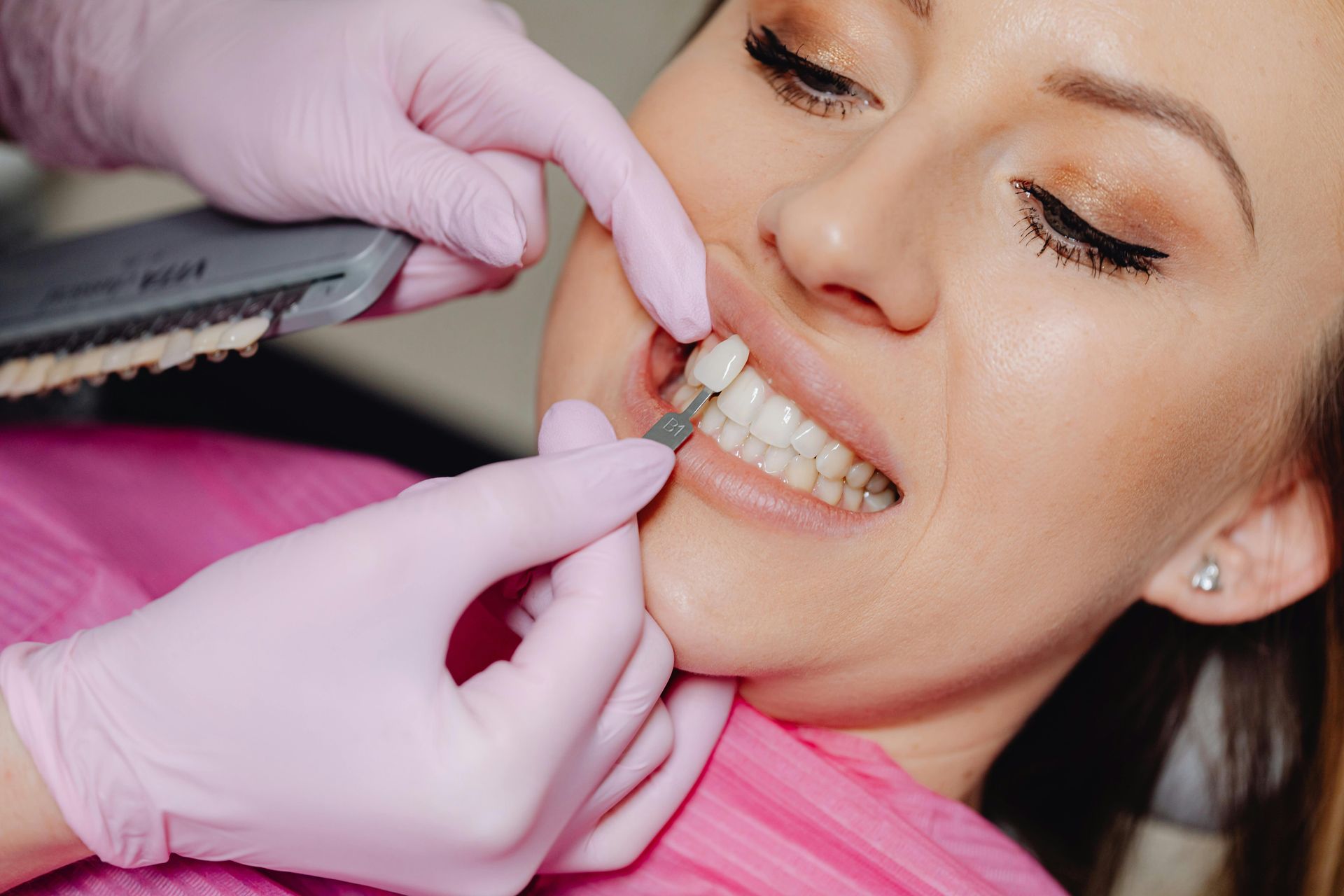
Ceramic Filling Cost in Korea
Ceramic Filling Cost in Korea
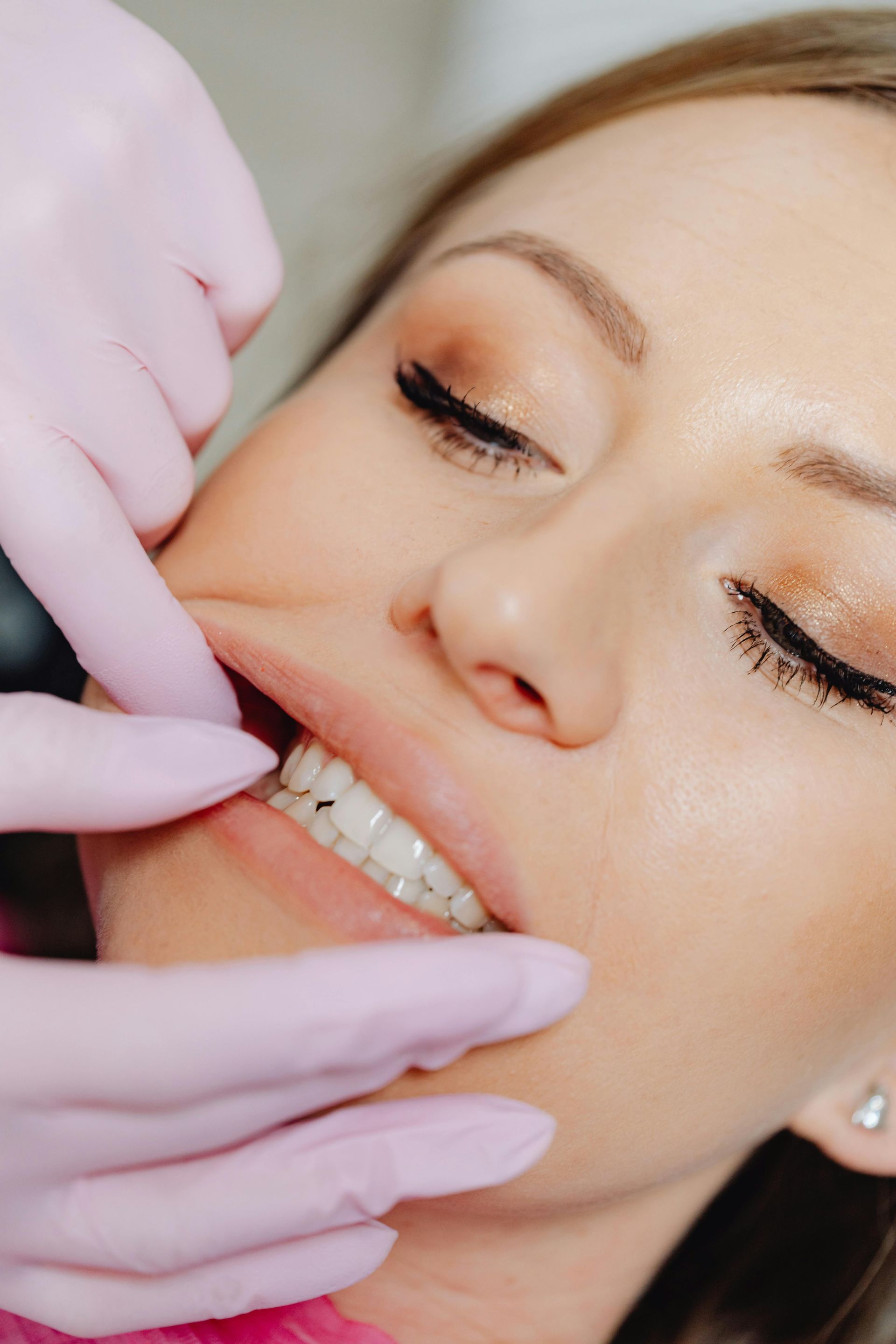
Ceramic fillings—also known as porcelain inlays/onlays or ceramic restorations—are high-quality dental fillings that blend strength with natural aesthetics. They are often chosen for visible teeth or larger restorations where tooth-colored options are preferred over metal or standard composite fillings.
If you’re a foreigner in Korea considering ceramic dental restorations, this guide explains the ceramic filling cost in Korea, what the procedure involves, and what factors affect the price.
What Are Ceramic Fillings?
Ceramic fillings are dental restorations made from tooth-colored porcelain materials. Unlike simple composite resin fillings that are placed and shaped directly in the mouth, ceramic restorations are usually:
- Fabricated in a dental laboratory or with digital CAD/CAM systems (e.g., CEREC)
- Designed to match the exact shape and color of your natural tooth
- Stronger and more stain-resistant than composite resin
Ceramic fillings are often called porcelain inlays, onlays, or partial crowns, depending on how much of the tooth they cover.
Average Ceramic Filling Cost in Korea
The ceramic filling cost in Korea for foreign patients paying out of pocket generally ranges from:
- 250,000 to 600,000 KRW per tooth
This price range reflects the higher material quality and additional laboratory work required for ceramic restorations.
Ceramic fillings tend to be more expensive than composite resin fillings in Korea, but they offer improved durability, aesthetics, and long-term wear resistance.
Ceramic Filling Costs at Different Clinics
Neighborhood Dental Clinics
Many general dental clinics in Korea offer ceramic restorations at competitive prices. Clinics with in-house digital milling systems (CEREC) may offer same-day ceramic fillings, often at the lower end of the price range.
Cosmetic Dentistry Centers & Large Dental Hospitals
Clinics in areas like
Seoul (Gangnam) or specialized cosmetic centers may charge higher fees. These clinics may include advanced digital planning, shade matching, custom ceramic work, and more detailed aesthetic consultations.
Even at high-end clinics, ceramic filling costs in Korea are often competitive compared to prices in Europe, Japan, or North America.
What’s Typically Included in the Cost
The ceramic filling cost in Korea usually includes:
- Initial dental consultation
- Tooth preparation
- Impression or digital scanning
- Laboratory fabrication or digital milling
- Ceramic restoration placement
- Final adjusting and polishing
Some clinics also include local anesthesia in the total fee. Ask the clinic whether anesthesia is included in their quote to avoid unexpected costs.
What’s Not Typically Included
The quoted ceramic filling price may not include:
- Dental check-up or exam fee
- X-rays or 3D imaging
- Temporary restoration (if needed)
- Sedation anesthesia (if requested)
- Gum treatment before restoration
- Follow-up visits beyond basic placement
Always ask for a full written estimate before treatment.
Factors That Affect Ceramic Filling Cost in Korea
Several elements influence the total price you’ll pay:
Number of Teeth Treated
More teeth requiring ceramic restorations increase the total cost.
Material and Laboratory Work
High-quality ceramic brands and custom lab work cost more than standard milled options.
Clinic Location and Reputation
Clinics in central metropolitan areas and those specializing in cosmetic dentistry often charge higher fees.
Digital Technology Used
Same-day CAD/CAM systems may cost more up front but reduce time and extra visits.
Is Ceramic Filling Covered by Insurance?
Ceramic fillings are typically considered cosmetic or premium restorative treatment in Korea and are not covered by Korean National Health Insurance (NHIS), even for insured residents. Foreigners without insurance generally pay the full cost out of pocket.
Some clinics may offer partial discounts or package pricing if multiple ceramic restorations are needed.
How Ceramic Fillings Compare to Other Types
- Ceramic vs Composite Resin:
Ceramic is more durable, stain-resistant, and aesthetic, but also more expensive. - Ceramic vs Amalgam:
Amalgam is cheaper but not tooth-colored or aesthetic.
Ceramic fillings are often recommended for patients who want natural-looking restorations with good long-term performance.
Final Thoughts on Ceramic Filling Cost in Korea
The ceramic filling cost in Korea for foreign patients typically ranges from 250,000 to 600,000 KRW per tooth. Prices vary by clinic, technology used, and whether advanced customization is involved.
Ceramic restorations offer excellent aesthetics and durability, making them a popular choice for front teeth or high-visibility areas. Getting a detailed cost estimate and understanding inclusions will help you plan your dental care confidently.